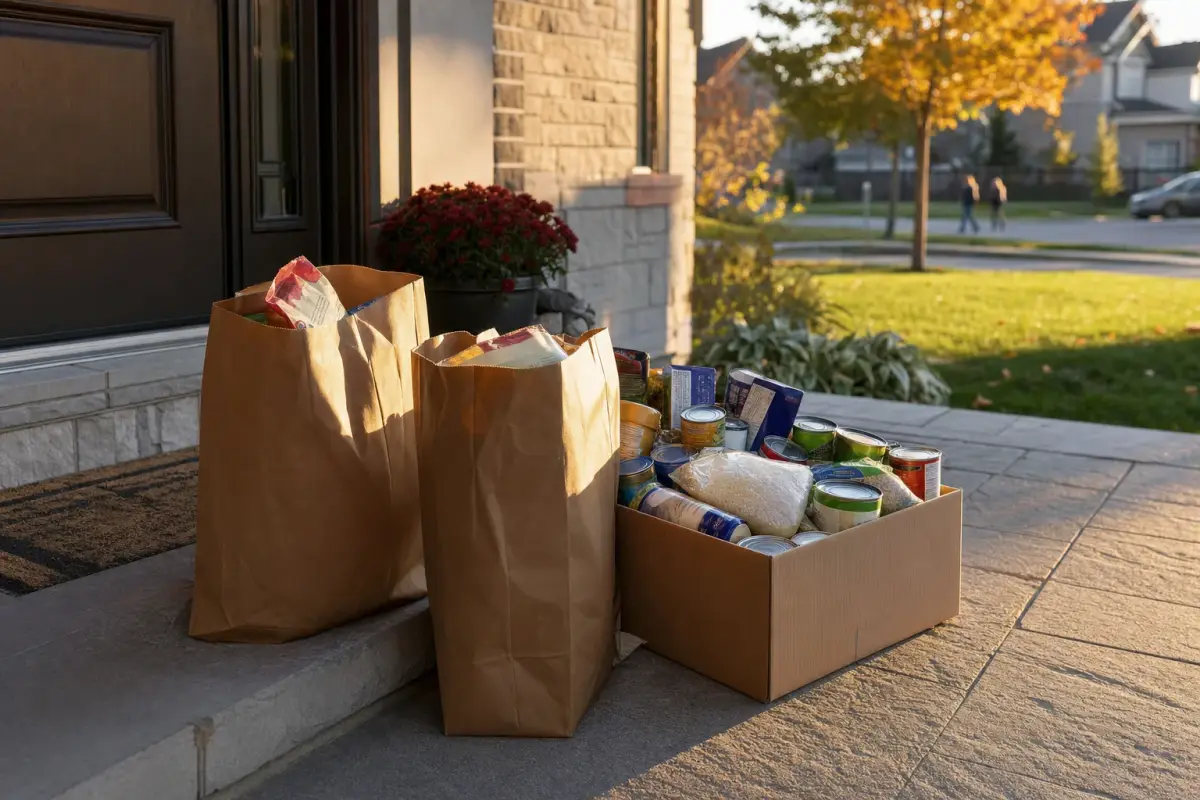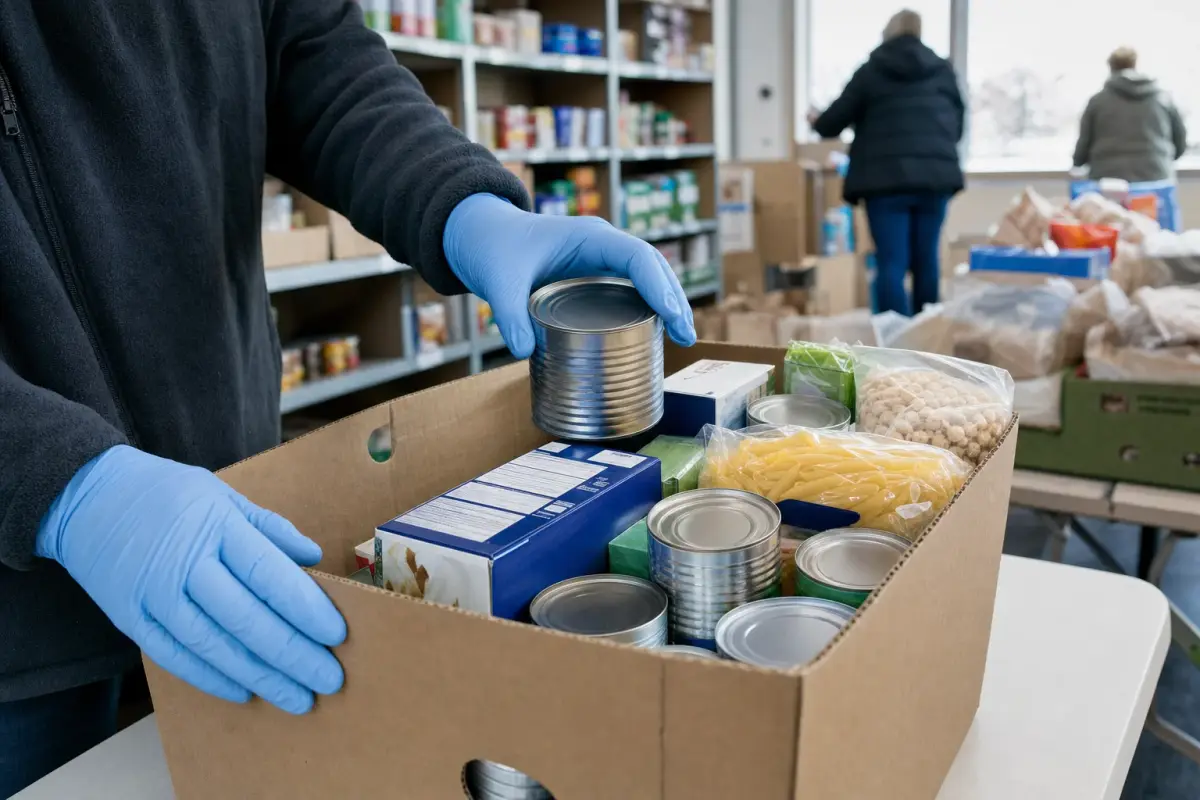
More than 50 Burlington residents have written to the mayor about how hunger is affecting the city, and the Burlington Food Bank says it is delivering their postcards to Mayor Marianne Meed Ward, who has just won re-election.
The appeal comes right after the Oct. 26 municipal election, a campaign dominated by the cost of living. Voters had just been through a 2026 budget with an overall property tax increase of about 4.5%, with Burlington's share at roughly 3%. Meed Ward, first elected mayor in 2018, will serve another term.
See the post on Instagram
According to the food bank, the postcards describe three pressures. Housing is becoming so unaffordable that people are choosing between paying their bills and buying food. The job market is making it hard to find work and keep it. And food prices have climbed so high that even neighbours with jobs struggle to afford groceries.
The food bank says the root causes of hunger are driven by public policies that affect whether people and families can make ends meet, and that City Hall has a part to play: "With impactful legislation, the municipal government can help end hunger in our community."
The postcards follow a warning the food bank issued in September, during Hunger Action Month, when it described food bank use in Burlington as at a record high. At the time, it said it supports 5,660 people at its own location alone, plus hundreds more through partner Mini Markets.
The residents' concerns are an appeal for the incoming council to consider. The new council takes office at an inaugural meeting and swearing-in ceremony from 6:30 p.m. to 9 p.m. on Monday, Nov. 16, at the Burlington Performing Arts Centre. Its first regular council meeting is scheduled for Tuesday, Nov. 17.